



News
EUROPEAN PARLIAMENT VOTES THROUGH BREXIT TRADE DEAL
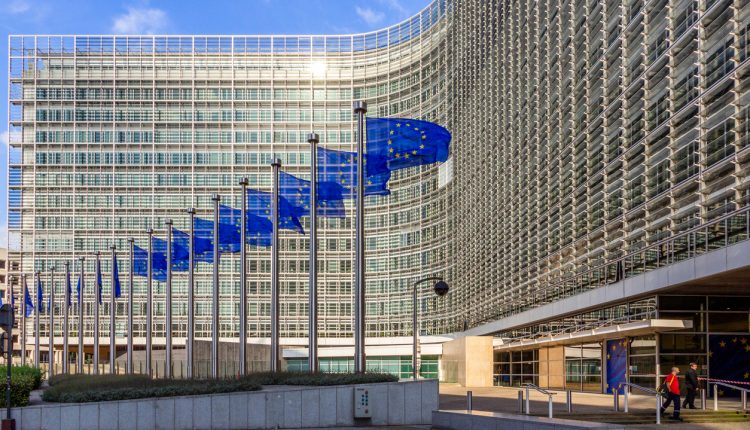
The European Parliament has backed the Brexit trade and security deal, a key step in ensuring that tariff- and quota-free trade between the UK and EU continues.
The Trade and Co-operation Agreement (TCA), which has been operating provisionally since January, was approved with 660 MEPs in favour and 5 against, with 32 abstentions. However, in an accompanying resolution the chamber described the 23 June 2016 Brexit referendum result as a “historic mistake”.
Lord Frost, the UK’s chief negotiator, said that the vote “brings certainty and allows us to focus on the future”.
Michel Barnier, Lord Frost’s opposite number in the Brexit negotiations, was less enthusiastic. “This is a divorce. It is a warning, Brexit. It’s a failure of the European Union and we have to learn lessons from it,” he told the European Parliament.
The deal does not address all the tensions that remain in the wake of Brexit. Northern Ireland trade remains covered under a separate protocol defining it as part of the EU’s single market, meaning that goods shipped to the country from the UK must undergo Eu checks.
While the TCA covers trade in goods between the UK and the Eu, it does not cover services – which make up the bulk of the UK economy. Other areas not covered by the TCA include foreign policy, financial services and student exchanges.The UK’s exit from the EU at the start of the year prompted a record loss in trade between the two blocs, with UK exports to the continent falling by 40.7% and imports falling by 28.8% in January. Though trade volumes have since increased, they remain below pre-Brexit levels.
https://www.lawyer-monthly.com/2021/04/european-parliament-votes-through-brexit-trade-deal/
UK's aid cuts for clean water projects criticised
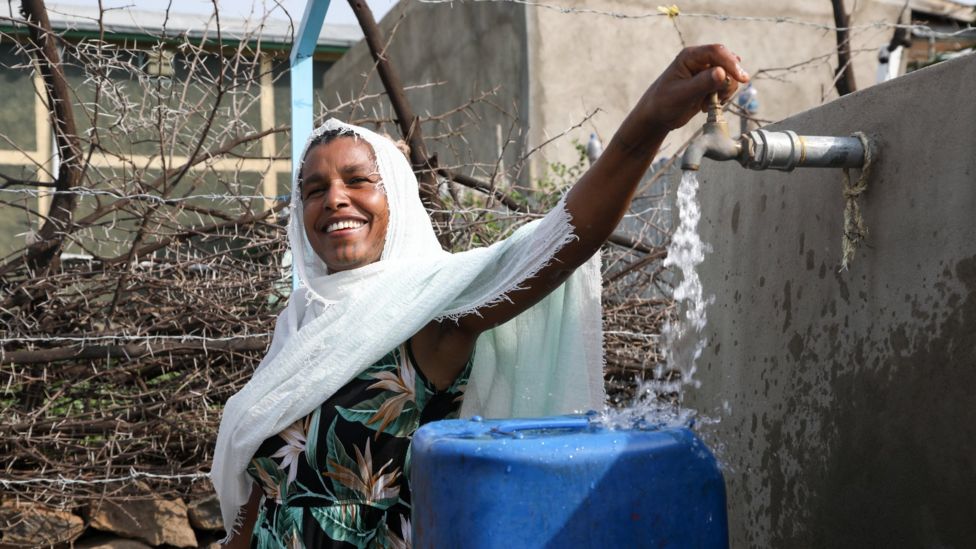
A leading charity has criticised the government's plan to reduce funding for overseas water and sanitation projects during the pandemic - as details of cuts in the foreign aid budget emerge.
Funding for water, sanitation and hygiene bilateral projects will be cut by more than 80%, a leaked memo said.
WaterAid's Tim Wainwright criticised the timing of "savage cuts".
The Foreign and Commonwealth Development Office said Covid had "forced us to take tough" decisions.
The government announced last year it would cut UK aid spending from 0.7% of national income to just 0.5% - which amounts to a reduction of more than £4bn - but has yet to confirm which programmes will be affected.
The "temporary measure" was defended at the time as being supported by voters, with some MPs saying domestic spending should come first during the pandemic.
This is just the start. There are hundreds of cuts to specific aid programmes that are just waiting to be revealed.
The government is refusing to say precisely where the axe will fall. That's partly down to precedent - normally these figures are announced retrospectively.
But it is also because the Foreign and Development Office has yet to make all the decisions.
Aid charities say the government announced the global cut without remembering it had pre-existing commitments to multilateral funds - like the World Bank, the EU, and the GAVI vaccine alliance.
This meant the cuts to bilateral aid funds would have to be even deeper and those decisions are hard. That is why support for programmes that provide water and sanitation or polio eradication is being reduced, even in the midst of a global pandemic.
Ministers argue they have to cut the budget because of the impact the pandemic has had on the economy - and the UK will still be spending £10bn on aid, more than most countries.
But the cuts are now beginning to bite and for some of the most vulnerable people around the world, there will be real consequences.
The UK contributed £176m to bilateral water, sanitation and hygiene projects in 2019 - so an 80% cut would represent a budget of around £36m.
Mr Wainwright said there was "enormous support" for funding water projects among UK taxpayers "who have helped to bring clean water, good hygiene, and better sanitation to 62 million people in the last five years".
He said clean water and sanitation were "the first line of defence against the twin threats of Covid-19 and the impacts of climate change" and urged the government to reverse the cuts "at the earliest possible opportunity".
In the UK, the government has promoted hand-washing as one way the public can protect themselves from contracting coronavirus, including the slogan "Hands, Face, Space".
A review of water aid projects published in March 2012 found "strong evidence that lack of hygiene (hand-washing) increases the risk of viral respiratory infections".
https://www.bbc.com/news/uk-56910102
Covid: One dose of vaccine halves transmission - study
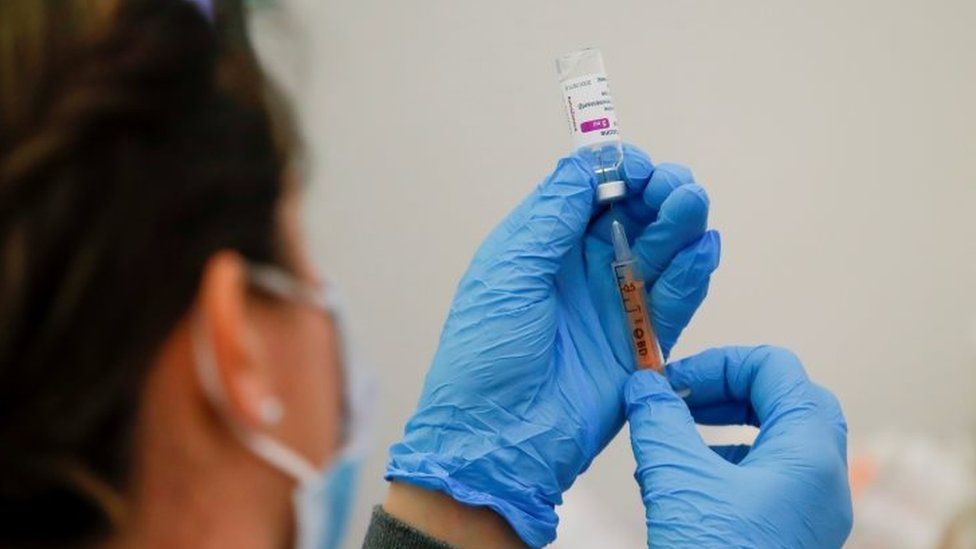
A single dose of a coronavirus vaccine can reduce household transmission of the virus by up to half, a study shows.
Those given a first dose of either the Pfizer or AstraZeneca vaccines - and who became infected three weeks later - were between 38% and 49% less likely to pass the virus on than unvaccinated people, PHE found.
Health Secretary Matt Hancock described the study's results as "terrific news".
He has urged "everybody to get their vaccines as soon as they are eligible".
In the study, protection against Covid was seen from about 14 days after vaccination, with similar levels of protection regardless of age of cases or contacts, PHE said in a statement.
It added that this protection was on top of the reduced risk of a vaccinated person developing symptomatic infection in the first place, which is around 60 to 65% - four weeks after one dose of either vaccine.
Dr Mary Ramsay, head of immunisation at PHE, said: "Vaccines are vital in helping us return to a normal way of life. Not only do vaccines reduce the severity of illness and prevent hundreds of deaths every day, we now see they also have an additional impact on reducing the chance of passing Covid-19 on to others."
But, while she said the findings were "encouraging", she said it was important people continue to act like they have the virus, "practise good hand hygiene and follow social distancing guidance".
Households are high-risk settings for transmission, meaning the study provides early evidence on the impact of vaccines in preventing onward transmission, PHE said.
Similar results could be expected in other settings with similar transmission risks, such as shared accommodation and prisons, it added.
University of Warwick epidemiologist Mike Tildesley said the findings were significant but pressed people to continue to take up vaccination offers.
"We need to remember these vaccines are not 100% effective either at preventing severe symptoms or at allowing yourself to be infected but the evidence is suggesting they are providing at least some level of protection from passing the virus on if you do get infected," he told BBC's Breakfast.
He said the study was extra evidence that as many people as possible needed to be vaccinated, even if they are not at risk of developing severe symptoms, in order to get much higher levels of protection across the population and reduce the number of people who get severely ill and die from the disease.
This is the latest piece of evidence to indicate that vaccines are slowing the transmission of the virus as well as saving lives.
Households are among the most likely places for infection to spread, so these set of results are particularly encouraging.
Public Health England has said it would expect similar results in other high-risk settings, such as shared accommodation and prisons.
All this bodes well for the continued easing of restrictions, especially as the vaccination campaign is making good progress into younger age groups - who are more likely to spread the virus.
And it also gives further reassurance to those concerned about the fact that children will not be vaccinated - and so might bring infection into households.
A cause for concern, though, is whether newer variants of the virus, which might be more resistant to vaccines, might cause a new surge in infections.
But the expert opinion is that the current vaccines will provide a significant degree of protection, especially against severe illness.
https://www.bbc.com/news/health-56904993